Real estate in Glendale, AZ, has undergone significant transformations over the past decade, driven by economic shifts, population growth, and infrastructure developments. If you’re a homeowner, potential buyer, or investor wondering how these changes impact your decisions, this guide breaks it down step by step. From skyrocketing home prices to emerging neighborhoods, we’ll explore key trends to help you navigate the market effectively. Whether you’re facing high competition or seeking stable investments, understanding these evolutions can solve common problems like timing your purchase or maximizing property value.
Glendale, part of the Phoenix metropolitan area, has evolved from a quieter suburb into a bustling hub with strong appeal for families and professionals. Over the last 10 years (2015-2025), factors like job growth in healthcare and entertainment have fueled demand, while supply challenges have pushed prices upward. Let’s dive into the details.
Historical Overview of Glendale’s Real Estate Market
To grasp how real estate in Glendale, AZ, has changed, it’s essential to look back at the early 2010s. In 2015, the median home price hovered around $200,000, reflecting a post-recession recovery phase where affordability was a key draw. The market was characterized by ample inventory and lower competition, making it easier for first-time buyers to enter.
Fast forward to 2025, and the landscape is markedly different. The average home value now stands at approximately $405,193, representing a substantial increase despite a recent 4.4% dip over the past year. This growth aligns with broader Arizona trends, where homeownership rates have risen significantly—placing the state fifth nationally for the largest percentage increase in homeowners over the past decade. What caused this shift? A combination of population influx, economic booms, and limited housing supply.
For instance, Glendale’s population has grown steadily, driven by its proximity to Phoenix and attractions like State Farm Stadium. This demographic surge created demand that outpaced new construction, leading to a more competitive market. If you’re a seller from a decade ago, this means your property’s value has likely doubled or more, solving the problem of building long-term equity. Buyers, however, now face higher entry barriers, but strategic timing can still yield opportunities.
Price Trends and Affordability Shifts
One of the most notable changes in Glendale’s real estate over the last decade is the dramatic rise in home prices. From 2015 to 2020, prices climbed steadily, with a median sale price increase of about 50% statewide in Arizona, and Glendale followed suit. By 2023, the state had seen a 93.2% rise over five years, pushing Glendale’s median toward $400,000.
In recent years, trends have shown some fluctuations. As of August 2025, the median home price reached $427,000, up 5.3% from the previous year, with homes selling after an average of 66 days on the market. However, year-over-year data also indicates a modest 1.5% increase in median home prices, signaling stability amid national economic pressures. The median listing price in August 2025 was $440,000, down 2.2% from the prior year, offering a slight breather for buyers.
Affordability has become a core problem for many. A decade ago, lower prices meant easier access for middle-income families. Today, with median rents at $1,900, renting versus buying debates are common. To solve this, consider areas with emerging value—properties in up-and-coming zones can provide better deals. For example, historical data shows that while prices dipped 4.4% in the past year, long-term appreciation remains strong, rewarding patient investors.
Per square foot costs have also evolved, reflecting higher construction standards and demand for modern amenities. If you’re struggling with budgeting, tools like mortgage calculators can help project costs based on these trends, ensuring you don’t overextend.
Market Dynamics: Supply, Demand, and Competition
Glendale’s real estate dynamics have shifted from a buyer’s market in the mid-2010s to a seller’s paradise by the early 2020s. Back then, inventory was plentiful, with homes lingering on the market. Now, low supply and high demand dominate, with new listings up 12.8% in some Phoenix metro areas, including Glendale, yet still not enough to meet needs.
West central Glendale has seen the largest increases in closed and pending sales, ranking high in metro activity. This competitiveness stems from infrastructure projects, like new industrial parks near State Farm Stadium, which boost job creation and attract residents. Over the decade, commercial growth has exploded, with corporations developing along Loop 303, bringing jobs and increasing housing demand.
For problem-solving, if you’re a buyer facing bidding wars, focus on pre-approvals and flexible closing dates to stand out. Sellers can leverage this by staging homes to highlight features like energy-efficient upgrades, which have become more valued amid rising utility costs. The rental market has strengthened too, with steady demand from transient workers, offering investors consistent income.
Economic factors, such as Arizona’s overall market snapshot showing an 11.9% jump in active listings since early 2025, indicate a balancing act. This could ease some supply issues, helping first-time buyers who felt priced out earlier in the decade.
Neighborhood Transformations and Development
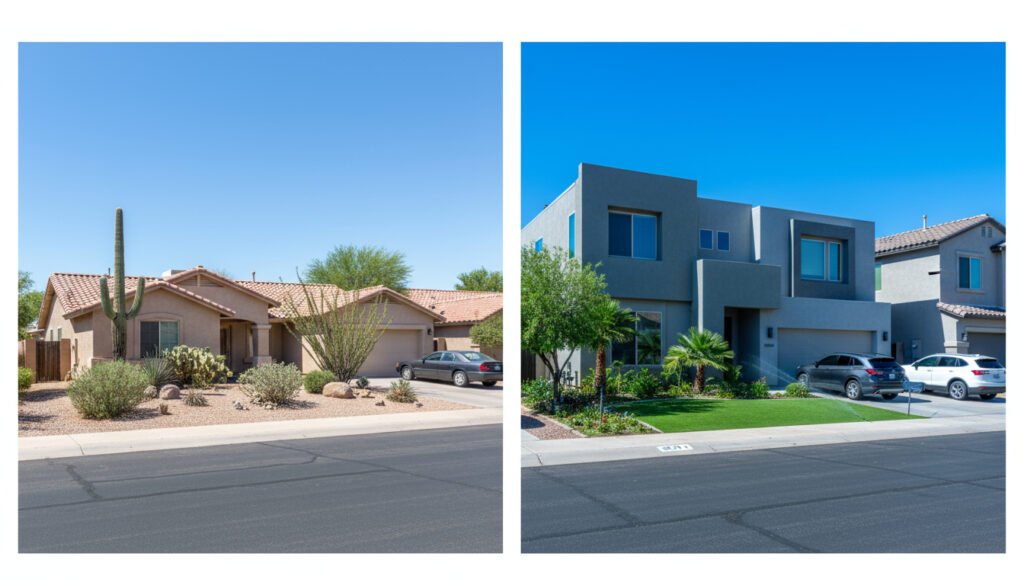
Neighborhoods in Glendale have transformed remarkably over the last 10 years, adapting to modern lifestyles. Arrowhead Ranch, once a quiet community, now boasts upscale homes and golf courses, drawing families with its stability and proximity to shopping. Property values here have appreciated consistently due to these amenities.
Citrus Park offers spacious lots with rural charm, enhanced by highway access and ongoing developments, making it ideal for those seeking quieter living. The Westgate Entertainment District has become a hotspot, with sports venues driving demand for short-term rentals and commercial properties. Historic Downtown Glendale blends old charm with revitalization, appealing to arts enthusiasts and investors.
These changes address common problems like urban sprawl. A decade ago, many areas lacked modern infrastructure; now, projects like Shea Homes’ final phase in Glendale-Peoria emphasize single-family homes without rentals, reflecting a shift away from high-density options. If you’re relocating, prioritize neighborhoods with growth potential to avoid depreciation risks.
Commercial real estate has also boomed, with new developments creating mixed-use spaces that integrate living and working. This evolution solves commuting issues for professionals, as jobs in healthcare and manufacturing expand.
Challenges and Solutions in Today’s Market
Despite positive changes, challenges persist. High interest rates and inflation have slowed some sales, with homes taking longer to sell in 2025 compared to the peak pandemic years. Homeownership growth in Arizona, up significantly, has increased competition, but it also means more equity for existing owners.
To solve these, buyers should explore financing options like FHA loans for lower down payments. Investors can target multi-family properties for steady cash flow, especially in high-demand areas. Monitoring trends, such as population growth fueling rental needs, helps in decision-making.
For sellers, professional staging and pricing based on current data—like the 5.3% price uptick—can maximize returns. Avoid common pitfalls by consulting local experts who understand Glendale’s nuances.
Future Outlook for Glendale Real Estate
Looking ahead, Glendale’s market shows resilience with steady growth forecasts. Infrastructure like new parks and entertainment districts will likely sustain demand. Home values are projected to continue modest increases, supported by Arizona’s economic strength.
If you’re planning a move, act on emerging opportunities in revitalizing neighborhoods to build wealth. The past decade’s 93.2% five-year price surge suggests long-term potential, but stay informed on fluctuations like the recent 4.4% dip.
In summary, Glendale’s real estate has shifted from affordable and abundant to competitive and valuable, offering solutions for savvy participants. By understanding these changes, you can make informed choices that align with your goals.
For personalized guidance on navigating Glendale’s evolving market, contact AZ Top Realtor at (623) 695-3924. Their expertise can help you buy, sell, or invest effectively in this dynamic area.